

Biryani Masala Items List: Biryani Spices Names in English & Tamil
There is nothing quite like the aroma of biryani filling the house on a Sunday afternoon. The fragrance of whole spices frying in ghee, the richness of the masala and perfectly cooked rice come together in a dish that every family loves.
But what exactly gives biryani that unforgettable taste? The answer lies in the biryani spices. A good biryani is a careful balance of sweet, warm, earthy and fragrant spices, and each one has a job to do.
In this guide you will find the complete biryani masala items list, the biryani spices names in English and Tamil, what each spice adds to the dish, and how to cook biryani at home in the right pot.

What Is Biryani Masala?
Biryani masala, also called biryani masala podi or biryani masala powder, is a blend of whole spices that are roasted and ground together to flavour biryani. Some spices bring sweetness, some bring warmth and heat, and others add an earthy or floral aroma.
Unlike garam masala, which is an all-purpose blend for curries and gravies, biryani masala is made specially for biryani. It usually includes spices such as stone flower, Marathi moggu and star anise, which give South Indian and Chettinad biryani its distinctive character.
Biryani Masala Items List: 14 Biryani Spices Names in English and Tamil
Here are the biryani masala ingredients used in Annam's Recipes Biryani Masala Powder, with their Tamil names and the flavour each one brings.
| Biryani Spice (English) | Tamil Name | What It Adds |
|---|---|---|
| Bay Leaves | Biriyani Ilai | Herbal, mild aroma |
| Cardamom | Elakkai | Sweet, refreshing fragrance |
| Cinnamon Bark | Lavanga Pattai | Warm, sweet flavour |
| Coriander Seeds | Malli | Earthy, citrusy base |
| Cumin Seeds | Jeeragam | Warm, savoury notes |
| Fennel Seeds | Sombu | Mild sweetness |
| Kapok Buds | Marathi Moggu | Deep, distinctive aroma |
| Cloves | Kirambu | Strong, pungent fragrance |
| Mace | Jadhipatri | Warm, delicate aroma |
| Black Pepper | Milagu | Gentle pungency |
| Red Chillies | Milagai | Heat and colour |
| Star Anise | Annasi Poo | Sweet, liquorice-like aroma |
| Stone Flower | Kalpasi | Earthy, smoky aroma |
| Turmeric | Manjal | Earthy flavour and golden colour |
Save this biryani masala list the next time you shop for spices, or skip the measuring altogether with a ready blend that already contains all 14.
Biryani Spices Names in Tamil, Explained
Many of us know these spices by their Tamil names from our grandmothers' kitchens. Here is a closer look at the most important ones.
Annasi Poo (Star Anise) – the "Biryani Poo"
This star-shaped spice is so closely linked with biryani that many people simply call it biryani poo. It gives a sweet, liquorice-like fragrance and is one of the first aromas you notice when the pot is opened.
Lavanga Pattai (Cinnamon) – the "Biryani Pattai"
If you have wondered what biryani pattai in English is, it is cinnamon bark. It adds warmth and a gentle sweetness that balances the heat from chillies and pepper.
Kalpasi (Stone Flower)
Kalpasi is a lichen that grows on rocks and trees. It has little smell on its own, but once it touches hot oil it releases an earthy, smoky aroma. It is a signature ingredient in Chettinad cooking.
Marathi Moggu (Kapok Buds)
These dried buds look like large cloves and have a deep, slightly pungent aroma. Marathi moggu is used widely in Karnataka and Tamil Nadu and gives biryani masala real depth.
Biriyani Ilai (Bay Leaf)
Bay leaves are often fried whole in ghee at the start of cooking. They add a subtle herbal note that sits in the background of every bite.
Elakkai, Kirambu and Sombu
Cardamom brings sweetness and freshness, cloves add a strong fragrance (use sparingly), and fennel adds the mild sweetness that is typical of Tamil Nadu biryani.
Other Ingredients You Add While Cooking Biryani
Besides the masala, a good biryani needs a few fresh ingredients:
- Mint leaves (Pudina) and coriander leaves (Kothamalli) for freshness
- Ginger-garlic paste and green chillies for flavour and heat
- Onions and tomatoes for the masala base
- Curd for tenderness and a gentle tang
- Ghee and oil for richness
- Seeraga samba or basmati rice, depending on your style
Readymade Biryani Masala Powder vs Homemade
Making biryani masala at home means buying 14 spices, measuring them, dry-roasting each one and grinding them in the right proportions. It is rewarding, but it takes time, and getting the balance right is not easy.
A good readymade biryani masala powder gives you the same traditional flavour every time. Annam's Recipes Biryani Masala Powder blends all 14 spices above, is made in small batches, and has:
- No onion or garlic
- No added artificial colours, fillers or preservatives
- A Chettinad-inspired aroma from stone flower, Marathi moggu and star anise

Best Pot for Cooking Biryani: Why a Triply Biryani Pot?
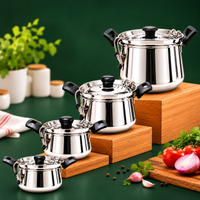
The right masala is only half the secret. The other half is the pot for cooking biryani. Biryani cooks slowly, often on dum, and a thin vessel can burn the bottom layer before the rice on top is done.
A triply biryani pot solves this. Its three bonded layers of stainless steel spread heat evenly across the base and up the sides, so:
- The rice cooks evenly from bottom to top
- There is less burning and sticking at the bottom
- The masala and meat cook gently without scorching
- It works on both gas and induction stoves
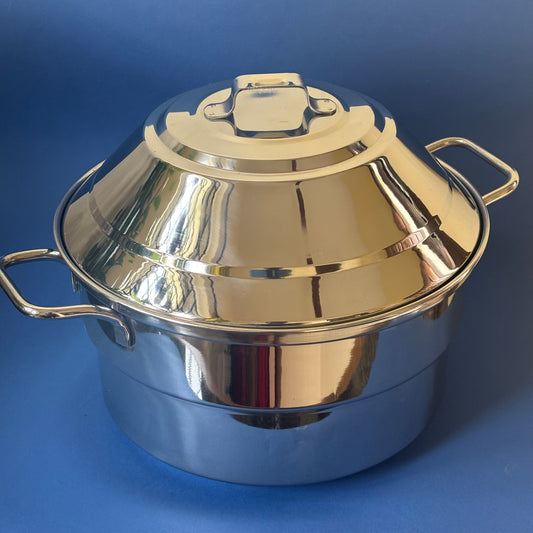
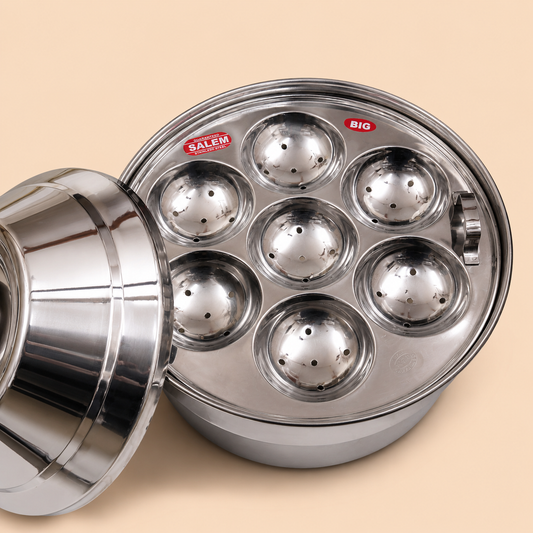
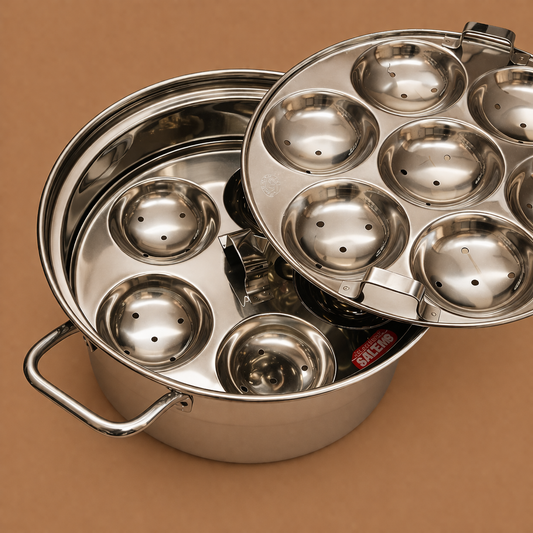
Annam's stainless steel biryani pot follows the traditional Chettinad biryani satti shape and is also great for pulao, curries and one-pot meals.

Triply Biryani Pot Size Guide
Choose the size based on how many people you usually cook for. Serving numbers are approximate and depend on your recipe.
| Size | Capacity | Approx. Serves |
|---|---|---|
| 18 cm (7 inch) | 2.4 L | 2–3 people |
| 20 cm (8 inch) | 3 L | 3–4 people |
| 22 cm (8.5 inch) | 3.8 L | 4–5 people |
| 24 cm (9.5 inch) | 4.2 L | 5–6 people |
| 26 cm (10 inch) | 5.2 L | 6–8 people |
| 28 cm (11 inch) | 6.5 L | 8–10 people |
For a family of four, the 3.8 L or 4.2 L triply biryani pot is a comfortable choice. For festivals and get-togethers, go for the 5.2 L or 6.5 L.

How to Make Biryani with Biryani Masala in a Triply Biryani Pot
- Soak the rice for 20–30 minutes and drain.
- Heat oil and ghee in your biryani pot on medium heat.
- Add sliced onions and sauté until golden brown.
- Add ginger-garlic paste, green chillies and tomatoes. Cook until the raw smell goes away.
- Add chicken, mutton or vegetables along with Annam's Biryani Masala Powder, salt, curd, mint and coriander leaves. Mix well and cook for a few minutes so the masala coats everything.
- Add the soaked rice and the right quantity of water. Bring to a boil.
- Cover with the lid, lower the flame and cook on dum until the rice is done and the flavours come together.
- Rest for 5–10 minutes before opening, then fluff gently.
Serve hot with onion raita, brinjal gravy or salna. Adjust the masala to your taste and the quantity of rice.
You can use the same method for chicken biryani, mutton biryani, vegetable biryani, mushroom biryani, paneer biryani or a simple kuska.
Tips for Better Biryani at Home
- Use fresh, good-quality rice and do not skip soaking.
- Measure the water carefully; too much makes the rice mushy.
- Let the masala cook with the meat or vegetables before adding rice.
- Use a heavy-bottomed triply pot so the base does not burn on dum.
- Rest the biryani before serving so the steam finishes the cooking.
Frequently Asked Questions
What are the main biryani masala items?
The main biryani masala items are bay leaves, cardamom, cinnamon, coriander seeds, cumin, fennel, Marathi moggu, cloves, mace, pepper, red chillies, star anise, stone flower and turmeric.
What is biryani pattai in English?
Biryani pattai (lavanga pattai) is cinnamon bark.
What is biryani poo?
Biryani poo usually refers to star anise (annasi poo), the star-shaped spice that gives biryani its sweet aroma.
Is biryani masala the same as biryani masala podi?
Yes. Biryani masala podi is the Tamil name for biryani masala powder.
Does Annam's Biryani Masala contain onion or garlic?
No. It has no onion or garlic and no added artificial colours, fillers or preservatives.
Which is the best pot for cooking biryani?
A heavy-bottomed triply stainless steel biryani pot is ideal because it spreads heat evenly and reduces burning during dum cooking.
How should I store biryani masala?
Keep it in an airtight container in a cool, dry place away from sunlight and always use a dry spoon. It is best before 6 months from packing, or up to 12 months refrigerated in an airtight container.
Bring Home the Flavour of Traditional Biryani
Great biryani comes down to two things: the right spices and the right pot. With Annam's Biryani Masala Powder you get all 14 traditional biryani spices in one blend, and with the Triply Biryani Pot every grain cooks evenly. Serve it in our Chettinad Biryani Bowl and make your Sunday lunch a celebration.
Explore more blends in our Masala Powders collection and more cookware in Triply Stainless Steel.
Happy Cooking!
Annam's Recipes